
7 Healthy Travel Tips

July 18, 2025

Prepare for the Unexpected to Enjoy Safe Getaways


Whether you’re planning a weekend getaway or a long-awaited international adventure, setting off on a trip is always exciting—but can also be unpredictable. That’s why preparing for the unexpected, especially when it comes to your health, is essential. Knowing what your medical coverage includes (and doesn’t) while traveling can help you stay healthy, avoid costly surprises, and soak up the unforgettable moments on your journey.


Let’s walk through some proactive steps you can take before packing your bags—from vaccinations and insurance to emergency planning and fraud protection.


1. Know What Your Health Plan Covers—And Where


Medical surprises aren’t on anyone’s itinerary—but it’s best to be prepared. Start by knowing how your insurance policy covers (or doesn’t) the region you’re traveling to.


Individual health policyholders, review your insurer’s network coverage. Some plans only cover in-network or state-specific services, while others offer broader emergency coverage or travel-specific riders. Consult your insurance agent to get help reviewing your policy.


Medicare beneficiaries,  Original Medicare (Parts A & B) typically doesn’t cover medical care outside the U.S., except in limited circumstances. If you have a Medicare Advantage Plan, it may include emergency and urgent coverage abroad, but this varies by provider. Check your plan’s Evidence of Coverage or speak to your plan representative before traveling.


2. Consider Supplemental Insurance


If you're a frequent traveler or heading abroad, look into some options to help cover you. Some options include:

  • Travel Medical Insurance: Plans offer emergency coverage during trips outside the U.S. and tend to be affordable.

  • Evacuation Insurance: This covers transport to a qualified medical facility if the nearest care is inadequate. An evacuation clause is often, but not always, included in a travel insurance plan.

  • Medicare Supplement Insurance (Medigap): Some Medigap policies cover emergency care abroad, typically up to plan limits and with a deductible.

  • Critical Illness Insurance: A lump-sum payout can provide financial flexibility in case you’re diagnosed with a covered condition like a heart attack or stroke during travel.

Be sure to read the fine print—some policies require you to be under a certain age, and preexisting conditions may not be covered. Your licensed insurance agent can help talk you through your options.


3. Keep Your Medical Info Handy


Consider using a secure health app or digital wallet to access all your health records quickly. But just in case your phone is inaccessible, bring physical copies of these important documents as well:

  • Your insurance or Medicare cards

  • Emergency contact numbers (include the country code +1 if you’re traveling abroad)

  • A medication list with dosages

  • Allergy and medical condition alerts

Pack all essential paperwork together in a waterproof sleeve in your luggage, and leave a second copy with someone back home. 


4. Schedule Preventive Care Before Departure


Most insurance plans cover preventive care services like wellness visits, vaccinations, and screenings. Before your trip, check these tasks off your list:

  • Get vaccinated: Make sure you’re up to date on your flu, COVID-19, and tetanus shots. If traveling internationally, check the CDC recommendations for the region you’re visiting, which may include Hepatitis A/B, typhoid, or yellow fever vaccinations.

  • Stock up on medications: Make sure you have enough for your entire trip, including extras in case of delays. Some health insurance plans offer mail-order pharmacy options.

  • Visit your provider: Discuss any destination-specific risks and request a travel health consultation if needed.


5. Prepare for Fraud Protection Abroad


Travelers are common targets for scams. If you’re a Medicare beneficiary, protect your Medicare number like a credit card. Fraudsters may try to use it to get free services or access your personal health data.

Tips:

  • Never share your Medicare number via phone or email.

  • Use only official websites or verified agents to review your policy while traveling.

  • Regularly check your policy’s Explanation of Benefits (EOB) for suspicious claims.


6. Create a Medical Emergency Plan


Ask yourself some questions to be ready for an emergency:

  • Where is the nearest hospital or clinic?

  • Do they accept your insurance?

  • What’s the procedure if you need medical evacuation?

If you have any medical conditions, it’s wise to carry an alert card in your wallet, including translated versions if you’re traveling in areas where English is not commonly spoken.


7. Stay Active and Healthy on the Go


To adapt an old phrase: Health never takes a vacation. It’s all too easy to leave good habits behind when you head out on a trip, but taking care of your body is just as important whether you’re at home or away. 


  • Move regularly: Stretch and walk every few hours, especially on long flights or bus rides.

  • Hydrate, hydrate, hydrate! Drink plenty of water to counter the effects of extra activities, extra sun—and maybe that extra mai tai on the beach.

  • Eat balanced meals: Meals on the go tend to lack a healthy dose of fiber, which can lead to digestive distress. Be sure to seek out veggies and whole grains or consider bringing a fiber supplement with you.

  • Rest: Fatigue lowers immunity. Don’t skip on sleep!

  • Keep germs at bay: Use hand sanitizer, wash your hands frequently, and consider wearing a mask on crowded airplanes or mass transit.

Don’t forget these essentials to keep yourself feeling your best—so you can focus on making great memories.


Conclusion


Travel is one of life’s great joys—but staying healthy and protected while you’re away starts long before you leave home. By understanding your health insurance benefits, considering supplemental coverage, and taking simple precautions, you can set off with confidence. Whether you’re hiking the Rockies or relaxing on a beach in Mexico, being prepared means you can focus on the adventure ahead.

Safe travels!

Share

Browse Recent Posts

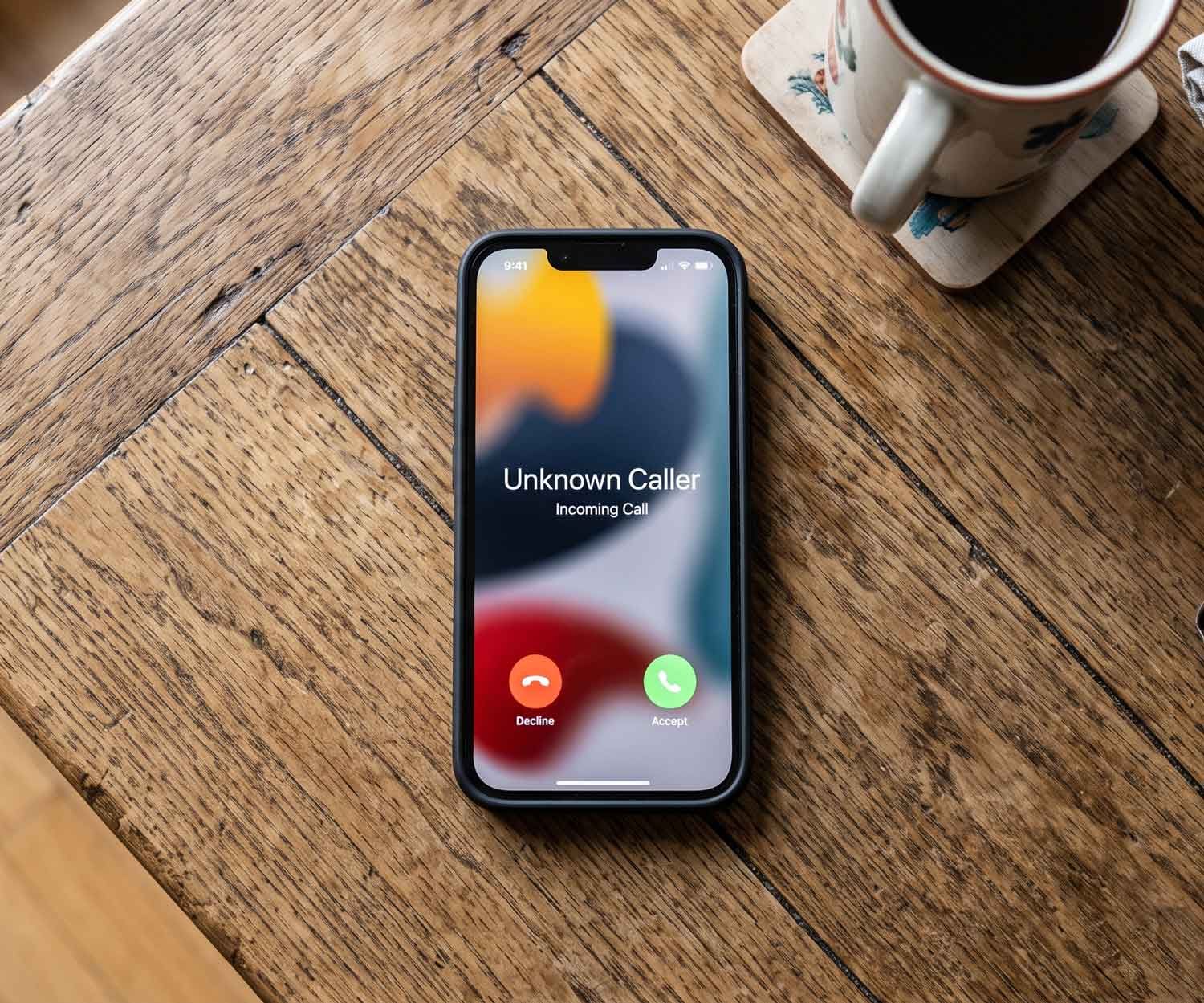
Senior looking concerned while answering a suspicious phone call
September 16, 2026
Who's Really on the Other End of That Medicare Call? The phone rings. The voice on the other end says your name, your age, and your address. It sounds official. It may even sound friendly. And within a minute, you are being asked to confirm your Medicare number. What do you do? Complaints about Medicare-related scam calls have climbed sharply over the past year. Reports to the Better Business Bureau indicate that these kinds of calls remain a major concern for people Medicare. Some have even described getting dozens of these calls in a single day. Enrollment season tends to make it worse, because legitimate outreach picks up at the same time criminals do. Here is how these calls tend to sound, and how to protect yourself. The Three Pitches You Are Most Likely to Hear Many Medicare scam calls follow similar scripts. Once you recognize a few key patterns, the calls lose a lot of their power. "You qualify for extra benefits" A recorded voice says it is reaching out to make sure you receive unclaimed Medicare benefits. The recording asks whether you have Part A and Part B, then transfers you to a live person. The real goal is either to get your personal information or to switch you to a plan you did not ask for. "Your card is expiring" The caller warns that your Medicare card is about to expire, or that your coverage could be interrupted unless you verify a few details. Fear and urgency are the strategy here. If you hand over your Medicare number or Social Security number, criminals can use it to steal your identity or bill you for services you never received. "Something free is on the way" Free braces. Free hearing aids. Free gift cards or a free smartphone. The offered gift is bait. One woman in Texas received a large box of orthopedic braces she never ordered, and later learned Medicare had been billed more than $700 for them. Her secondary insurer was charged as well, and additional claims were filed for supplies she never requested. Fraudulent claims can also leave inaccurate information in your medical records, including diagnoses for conditions you do not have. Fake Agents Are Part of the Problem Not every scammer sounds like a robot. Some present themselves as licensed insurance agents. They may reference a well-known carrier, quote a plan name, or offer to walk you through your options right now over the phone. A few things a real agent will not do: • Pressure you to decide something during a first call • Refuse to give you a full name, license number, or office phone number • Ask you to pay by gift card, wire transfer, or a payment app • Tell you that you must act today or lose your coverage • Show up at your door uninvited to sell you a plan Verifying an agent is simpler than most people expect. Ask for their name and license number, then hang up and call the agency's main office number yourself. You can also check the license with your state Department of Insurance. Anyone who is legitimate will not mind you doing this; they know you need to be careful. Habits That Keep You Safe • Treat unexpected Medicare calls with skepticism, even friendly ones • Never give your Medicare number, Social Security number, or bank details to someone who called you • Remember that Medicare generally reaches out by mail first and does not call to ask for your Medicare number or banking information • Hang up on anyone who pressures you or claims your coverage is at risk • Read your Medicare Summary Notices and Explanation of Benefits statements and look for charges you do not recognize • Report anything unfamiliar right away Hanging up may feel rude, but it is the single most effective thing you can do. If You Think You Already Shared Something You Shouldn't Have Act quickly, but do not panic. Write down what you shared and when. Review your recent statements. Then report it. You can contact the Senior Medicare Patrol program in your state, call 1-800-MEDICARE, or file a report with the Federal Trade Commission at ReportFraud.ftc.gov. The Easiest Defense Is a Person You Already Know Scam calls work because they catch people on their own and unsure. Having a licensed agent you already trust means you have someone in your corner. You have a number you can call to ask whether an offer is real before you respond to it. If you have questions about a call you received, or you want a second set of eyes on your current coverage, reach out to our office. We are here to help you! 

Medicare enrollment guide open on a desk with a calendar
September 9, 2026
Annual Enrollment for Medicare runs October 15 – December 7, 2026. Here's what to know about comparing plans, key dates, and how to get ready.

Two people holding hands in a gesture of support
September 2, 2026
September is Suicide Prevention Month. Learn what to watch for, how to start a hard conversation, and where to turn for help. Support matters more than perfect wording.

Worried woman resting her head in her hands while looking at an open photo album
August 20, 2026
Outdated beneficiaries can send your life insurance money to the wrong person. Learn the common risks and how to keep your policy current.

Elderly couple walking outdoors on an autumn path, one using a rolling walker
August 13, 2026
Learn how to prepare for health care costs in retirement, including Medicare, retiring before 65, long-term care, HSAs, and supplemental insurance options.
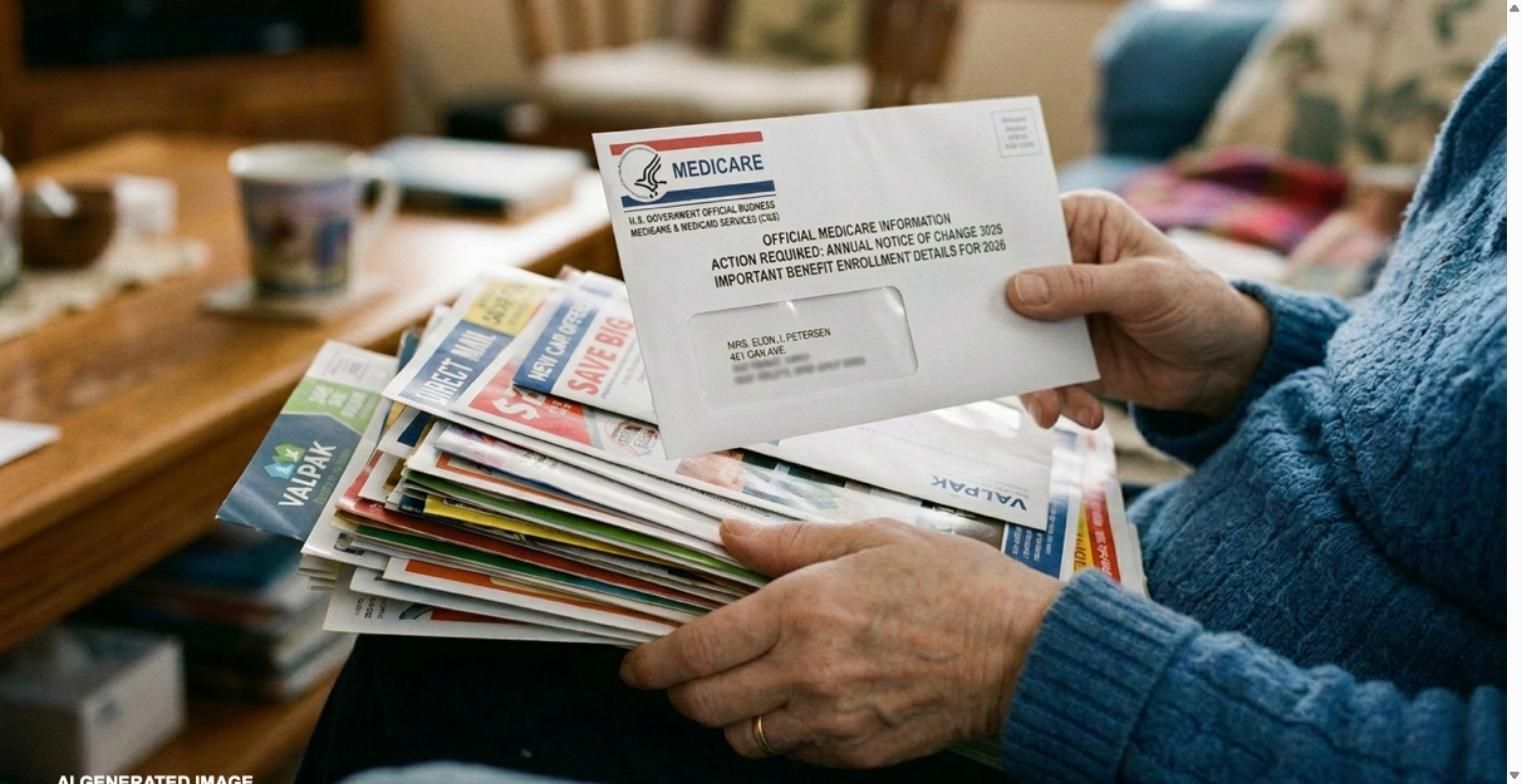
Older person holding a stack of mail with a Medicare Annual Notice of Change envelope on top
August 6, 2026
Every fall, Medicare Advantage and Part D plans mail an Annual Notice of Change. Learn what it means for your costs, coverage, and doctors next year.

Person lying on a gray sectional sofa under a teal blanket in a living room
July 31, 2026
GLP-1 medications help you eat less — but eating less can mean fewer nutrients. Here's what the latest research shows and how to eat well.
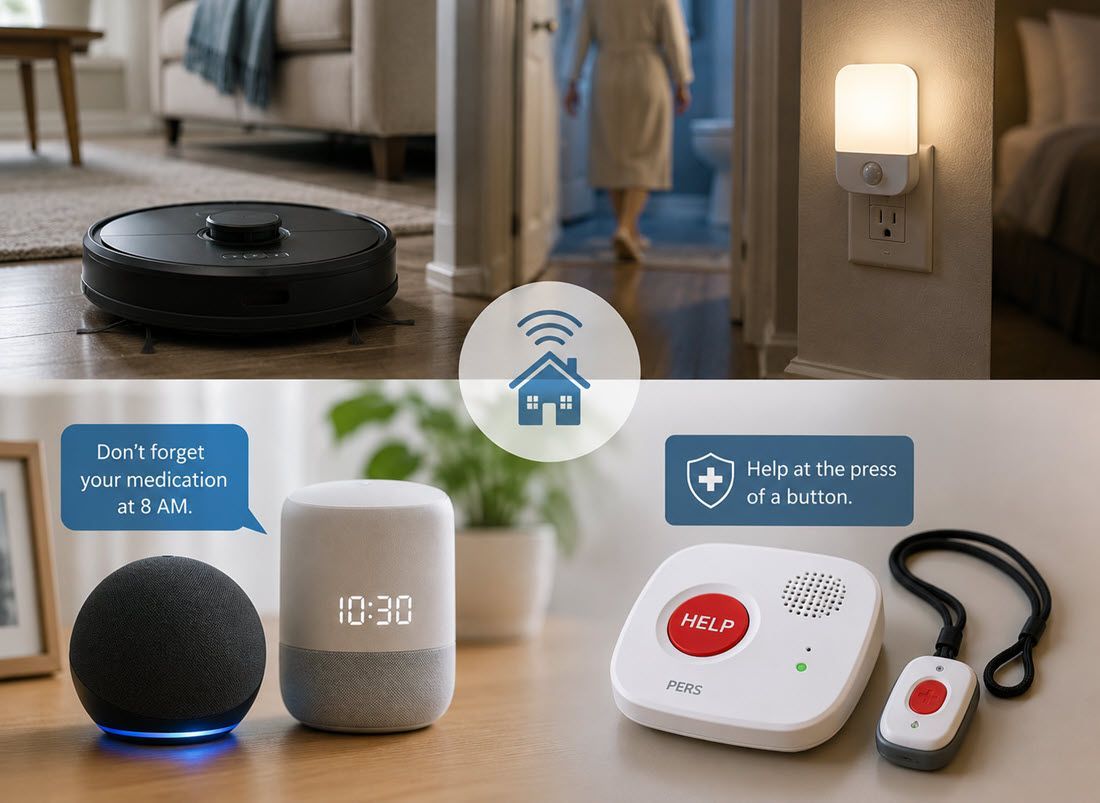
Smart home devices in a room: smart speaker, thermostat, smoke alarm, and emergency pendant.
July 27, 2026
See how smart lighting, robot vacuums, stove shut-offs, medication reminders, and fall monitors can help seniors at home, plus what Medicare and Medigap do and do not cover.

Caregiver showing something to an older couple in a cozy living room with bookshelves and a coffee table.
July 24, 2026
U.S. News & World Report has rated over 12,000 home health agencies. Learn how the rankings work and why they matter for your care and coverage decisions.

Convenience store snack shelf with assorted chips and drinks in colorful packaging
July 20, 2026
A landmark study found that people eating ultra-processed foods consumed more calories and gained weight. Learn why and how to make healthier choices.
Show More